


Ways to Recognize Genuine HMDD Pieces When Shopping Resale
Shopping for HMDD (Happy Memories Don’t Die) pre-owned has emerged as the fastest way for devotees of the brand to fill gaps in a collection without holding out for restocks. However, resale marketplaces and apps are also the places where knockoffs and incorrectly labeled items tend to surface, so being able to confirm authenticity before you pay matters more than it did even two years ago. The following breakdown lays out what genuine HMDD clothing tends to share in craftsmanship, branding, and material, and how to compare listings so you’re not betting on a photo and a wishful description.
Since the brand’s earlier releases were sold out, resale demand for hmddla-associated drops has risen consistently — which means prices on resale sites often exceed original retail for rare colorways. That upward pricing is exactly why sellers occasionally misstate condition, size, or authenticity. Being familiar with the brand’s real construction habits gives you leverage in negotiations and shields you from paying top dollar for a fake.
Start With the Label and Tag Details
Matching branding on the inner tags is something every genuine HMDD garment should display, and minor irregularities are usually the first red flag in a resale listing. Examine carefully at the stitching around the tag itself — authentic pieces use tight, uniform stitching with no frayed threads framing the label. The weight and spacing of the font on “Happy Memories Don’t Die” branding should line up across pieces from the same contemporary streetwear release; if you’re comparing two sweatpants from reportedly the same drop and the wording looks distorted or oddly kerned on one, that’s worth pointing out to the seller.
Request that sellers provide close-up photos of the care tag, not just the branded logo tag. Authentic care tags typically feature fabric composition and washing instructions printed in a uniform font style matching the rest of HMDD’s labeling conventions. A out-of-focus or oddly cropped photo of this tag in a listing is a typical trick sellers use when the tag can’t withstand scrutiny. Don’t be reluctant about requesting three or four angles before going through with a purchase, especially for costlier items over $150.
Something is also revealed by matching color between the tag print and the garment itself. If the tag specifies a black colorway but the garment shown in photos looks charcoal or faded navy under different lighting, request a photo in natural daylight. Honest sellers will usually agree to this request within a day.
Examine Stitching, Seams, and Fabric Weight
HMDD apparel, particularly its bulkier pieces like sweatpants and fleece shorts, tends to use a more substantial cotton-blend construction that has real weight to it when held up. Replica items often rely on a thinner and lighter textile to reduce costs, which can make a garment look right in photos but feel distinctly off in hand. When a listing states the item feels “flimsy” or “less substantial than anticipated” in the listing description, treat that as a meaningful clue rather than dismissing it.
Stitch quality is yet another clue. Dual-stitch seams along the inseam and waistband of hmdd sweatpants come standard with authentic pairs, while lower-quality knockoffs frequently rely on single-stitch construction that wear out quicker and pucker at stress points. Study the posted images for any seam puckering, especially around pockets and the drawstring channel. A drawstring channel that’s crooked or unevenly sewn is among the more dependable indicators of a inauthentic piece.
For hmdd shorts specifically, check the hem finishing. Genuine pairs generally have a tidy folded edge with minimal visible topstitching gaps, whereas replica shorts sometimes show an irregular hemline when placed flat for inspection. Try to get a flat-lay image from the seller beforehand — it uncovers stitching problems that on-body photos conveniently hide.
Match Listed Prices to Standard Retail Ranges
Price trends can tell you almost as much as physical inspection. When you’re aware of a piece’s original retail price, a resale price dramatically below that number should raise questions, particularly for items marketed as new with tags. Genuine scarcity in HMDD drops means resale prices for in-demand items tend to stay firm or climb, so a “too good to be true” price on a supposedly rare drop is generally exactly what it seems.
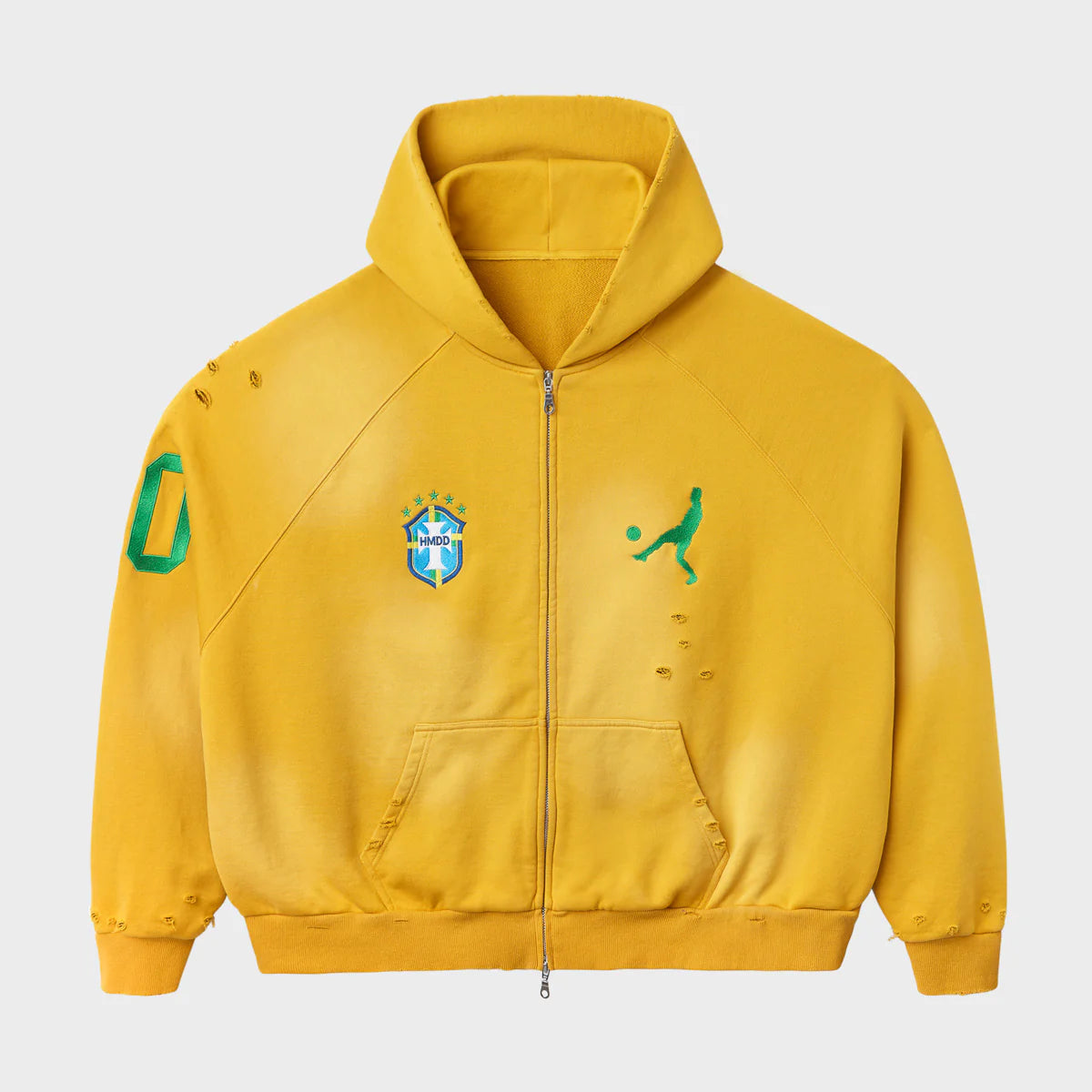
It also helps to read an actual hmdd review from a buyer who purchased the same piece new, when you can find one, since these reviews often mention particular build details — fabric hand-feel, sizing oddities, thread color — that you can then check alongside the resale listing you’re considering. Buyers researching the best hmdd clothing pieces to invest in secondhand often depend on these firsthand accounts more than the seller’s own claims, and for good reason: sellers have incentive to oversell condition and authenticity, while earlier buyers typically lack that incentive.
| Spot of Verification | Authentic HMDD-brand Marker | Frequent Red Flag |
|---|---|---|
| Stitching on the interior tag | Stitching that’s tight and even, showing matching font | Threads that are frayed, with lettering that’s stretched or crooked |
| Weight of the material (sweatpants/shorts) | A thick, substantial cotton-blend feel that’s noticeably apparent | Fabric that’s flimsy and lightweight, coming across as low-grade |
| Construction of the stitch-lines | Twice-stitched inseam and waist trim | Seams with just single stitching, puckering, and an irregular drawstring channel |
| Treatment of the hem (shorts) | A neat folded hem with minimal gaps in the topstitching | Uneven hemline visible in flat-lay images |
| How pricing stacks up against retail | Price remains stable or rises for scarce drops | Unusually low cost on “scarce” or out-of-stock pieces |
Past Seller Data and Pictures as Proof—Make Use of Them
A vendor’s past activity on any secondhand marketplace is worth reading before you reach out about a particular item. Accounts with a pattern of selling multiple “rare” HMDD pieces in suspiciously perfect condition, especially at low prices, deserve extra scrutiny. By contrast, authentic collectors parting with a piece or two from their personal wardrobe usually display more convincing photo backgrounds, wear matching actual use, and are generally willing to field detailed questions about sizing and condition without becoming defensive.
Insist on raw photos shot in natural lighting rather than studio-style shots sourced from around the web. Sadly, it’s not unusual for sellers of knockoffs to copy the brand’s real promotional images and combine it with a real garment that’s inconsistent with it, counting on buyers not noticing the discrepancy between official images and what actually gets sent. A costly mistake can be prevented simply by reverse image searching a dubious picture, a task that takes only half a minute.
Specifically inquire whether the garment came from hmddla or another authenticated retailer, and request whatever original receipt exists or order confirmation screenshot assuming the seller kept one. Not every legitimate reseller will have kept this, but the ones who did can clear up questions of authenticity in short order. Regard any evasive or irritated reaction from a seller when these questions come up as a meaningful signal should it occur.
How Consistent Fit and Sizing Stacks Up
Across a specific drop, HMDD’s sizing usually stays steady, so if you already own one piece and know how it fits, you have a useful reference point for shopping resale for a second piece. Joggers in particular should correspond closely to the size measurements provided—request from the seller for the waist and inseam dimensions in inches rather than relying solely on the tag size, since tag sizes can shift a bit between manufacturing batches.
If a listing describes a size medium but the measurements given don’t align with what medium has run in prior releases you’ve verified, factor that into your decision. This mismatch doesn’t automatically mean the item is fake, but it does mean you should ask more questions before paying, particularly on high-value transactions.
Pictures of the garment being worn, instead of laid flat, also help verify proportions look right. A fit that looks noticeably too loose or too tight relative to the size given, especially across multiple photos, is worth flagging directly with the seller before finalizing any purchase.
Concluding Run-Through Before You Buy
Before wrapping up any resale purchase, go through a short mental list: tags checked for accuracy, flat-lay and natural-light images asked for, seams and stitches checked for quality, reasonable pricing relative to known retail, and a seller background that raises no red flags. Putting five more minutes into these checks costs you absolutely nothing compared to the hassle of receiving a counterfeit.
As the brand gains more collectors, demand will likely continue rising through 2026, and the Happy Memories Don’t Die resale market isn’t fading. Taking a cautious approach today means you put together a wardrobe of pieces you can trust, rather than one filled with guesswork and regret.

Adicionar comentário